
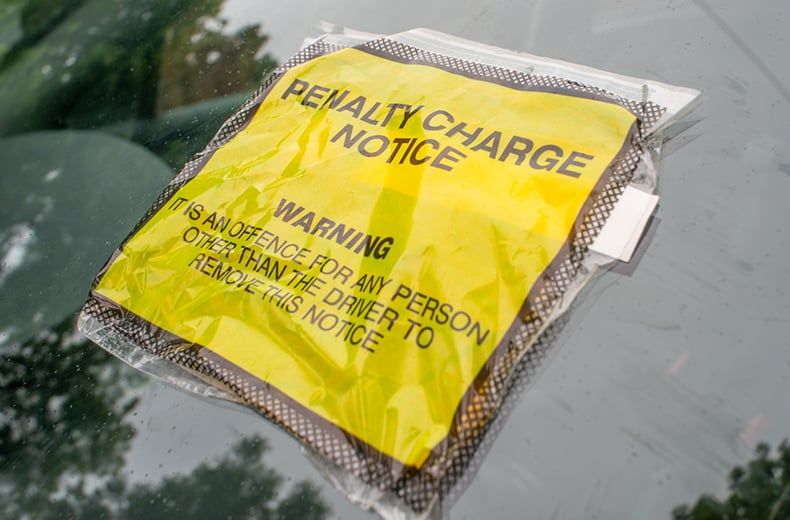
Receiving a parking fine can be frustrating, especially if you believe it was issued unfairly. Many drivers pay immediately without checking whether the notice is valid or whether they have grounds to challenge it. However, understanding the rules and following the correct process can help you avoid unnecessary costs and protect your legal rights.
Every parking case is different. Sometimes fines are issued because of unclear signs, faulty parking machines, incorrect vehicle details, or genuine mistakes. Before making any payment, it is important to carefully review the notice, collect relevant evidence, and understand the appeal process available to you.
What Is a Penalty Charge Notice?
A penalty charge notice is a formal notice issued by local authorities or other authorised bodies when a vehicle is believed to have violated parking or traffic regulations. It usually includes details such as the location, date, time, reason for the fine, and instructions for payment or appeal.
Reading the notice carefully is essential because even small errors in the information may affect its validity.
Common Reasons Parking Fines Are Issued
Parking fines are commonly issued for reasons such as:
- Parking in a restricted area.
- Staying beyond the permitted parking time.
- Parking without displaying a valid ticket or permit.
- Stopping in loading or disabled zones without permission.
- Parking where temporary restrictions are in place.
Knowing the exact reason for the fine helps determine whether you have valid grounds to challenge it.
When Can You Appeal?
Not every parking fine is correct. You may have a strong case if:
- Traffic signs were missing, damaged, or unclear.
- Parking payment machines were not working.
- The vehicle information on the notice is incorrect.
- You had already paid for parking.
- Exceptional circumstances prevented compliance with parking rules.
Supporting your appeal with clear evidence greatly improves the chances of success.
Evidence That Strengthens Your Appeal
Good documentation is often the key to a successful appeal. Consider collecting:
- Photographs of the parking location.
- Pictures of road signs and markings.
- Parking payment receipts.
- Witness statements, if available.
- GPS records or timestamped photographs.
Organising this evidence before submitting your appeal makes your case more convincing.
Avoid Common Mistakes
Many drivers unintentionally weaken their appeal by making simple mistakes, including:
- Missing the appeal deadline.
- Ignoring official correspondence.
- Providing incomplete information.
- Submitting emotional arguments without supporting evidence.
- Failing to keep copies of submitted documents.
A well-prepared appeal based on facts is always more effective.
Why Legal Guidance Can Help
Parking regulations can sometimes be confusing, especially when different authorities and procedures are involved. Seeking legal guidance helps you understand your options and ensures that your appeal is prepared correctly.
Professionals can review your documents, identify possible errors in the notice, and explain the legal requirements that apply to your situation. This can save both time and unnecessary expenses.
Understanding the Appeal Process
The appeal process usually involves several stages. First, you review the notice and gather evidence. Then, you submit your explanation within the specified deadline. If the appeal is rejected, there may be additional review or tribunal options depending on local regulations.
Responding promptly and following every instruction carefully increases the likelihood of a fair review.
Final Thoughts
Receiving a parking fine does not always mean you must accept it without question. Taking time to review the facts, gather evidence, and understand your legal rights can make a significant difference. A carefully prepared appeal supported by accurate documentation gives you the best chance of achieving a positive outcome.
Whether the issue involves unclear signage, administrative errors, or exceptional circumstances, knowing how to respond confidently can help protect your interests. If you receive a penalty charge notice, acting promptly and following the correct appeal procedure is the most effective way to resolve the matter fairly. If you need professional legal guidance, Legateca can help you understand your options and support you through the appeals process with clear, practical advice.